Tag: career change to trades

how to start a career in the trades

How to Change Careers to the Trades

Your Step-by-Step Guide to a Fulfilling Skilled Trade Career

Thinking about leaving your office job for a more hands-on, in-demand career? You’re not alone. More and more people are choosing to change careers to the trades—seeking work that’s meaningful, secure, and often better paid than many white-collar roles. Whether you’re burned out, looking for purpose, or just want to work with your hands, switching to a skilled trade might be the best career move you’ll ever make.

In this guide, we’ll walk you through how to change careers to the trades—no matter your age or background.

Why People Are Switching to Skilled Trades

The skilled trades are experiencing a renaissance—and for good reason.

High Demand: There’s a national shortage of electricians, welders, HVAC techs, mechanics, and more. That means job security.
Great Pay: Many trades offer starting wages of $25–35/hour, with six-figure potential as you specialize or start your own business.
Shorter Training: You don’t need another degree. Most trade careers start with paid apprenticeships or certification programs.
Tangible Impact: Trades let you build, fix, and create things people rely on every day.

Step 1 – Identify the Right Trade for You

Not all trades are the same. Are you drawn to detail work? Heavy equipment? Helping people? Here are a few career paths to consider:

Master Tip:
Attend local job fairs, talk to trade workers, and watch YouTube channels of working tradespeople. These give you a real-world view of what the day-to-day is like in each field.

Step 2 – Evaluate Your Transferable Skills

If you’ve worked in the corporate world, you already have skills that apply to the trades.

  • Project management → Construction management
  • Problem solving → Troubleshooting systems
  • Team collaboration → Jobsite coordination
  • Customer service → Client communication in residential trades

Don’t discount your experience—bring it with you.

Step 3 – Research Training and Certifications

Every trade has a different entry point. Some require state licensing; others let you start with a paid apprenticeship.

Ways to Get Started:

  • Union Apprenticeships – Earn while you learn under a journeyman
  • Trade Schools / Community Colleges – Offer short certification programs
  • On-the-Job Training – Many small companies will train you if you show up motivated

Search for:
“[Your Trade] apprenticeship near me”
“[Your State] trade certification requirements”
“Pre-apprenticeship programs in [Your City]”

Step 4 – Build a Roadmap and Start the Transition

Here’s how to make the leap with confidence.

  1. Set a 3–12 month transition plan depending on your finances and training needs
  2. Take evening or weekend courses if you can’t quit your current job yet
  3. Apply for entry-level trade assistant roles to gain experience
  4. Talk to local businesses—many are willing to train people with good work ethic
  5. Track your progress and keep your end goal in mind

Step 5 – Join a Trade Community

Support makes a huge difference. Find others who’ve made the switch.

  • Facebook groups like “Career Changers in the Trades”
  • Subreddits like r/BlueCollarWomen or r/SkilledTrades
  • Local trade unions and workforce development boards

You’re not alone—this movement is growing.

Can You Change Careers to the Trades After 30? 40? 50?

Yes, yes, and yes. Many trades value life experience, reliability, and maturity. As long as you’re willing to learn and put in the effort, age is not a barrier—it’s a strength.

Final Thoughts – Your Future Is in Your Hands

Switching to a trade career doesn’t mean starting over—it means building a new future with purpose and stability. Whether you’re seeking more freedom, better pay, or just want to create with your hands, changing careers to the trades can unlock a deeply rewarding path.

You’ve spent enough time behind a desk—now’s the time to build something real.

how-to-become-a-plumber

How to Become a Plumber – A Step-by-Step Guide to a High-Demand Trade

Plumbers are the unsung heroes of modern living—keeping water flowing, drains clear, and systems running. If you’re looking for a stable, hands-on career with strong pay and real-world impact, plumbing could be your perfect fit.

Whether you’re fresh out of high school or ready to change careers, here’s everything you need to know about how to become a plumber.

Why Choose a Career in Plumbing?

Plumbing offers more than just job security—it’s a skilled trade that pays well, can’t be outsourced, and offers multiple career paths. Here’s why people are turning to plumbing:

  • High Demand – As infrastructure ages and housing expands, skilled plumbers are more needed than ever.
  • Solid Pay – Plumbers earn a national median wage of $60,090/year, with top earners making over $90K.
  • No College Required – Avoid student debt and start earning while you train.
  • Growth Opportunities – Move from apprentice to journeyman, then to master plumber or even contractor.

Step 1: Meet the Basic Requirements

Before starting your plumbing journey, make sure you meet the basic qualifications:

  • Be at least 18 years old
  • Have a high school diploma or GED
  • Possess a valid driver’s license
  • Be physically capable of handling tools and lifting equipment
  • Be comfortable working in tight spaces and getting your hands dirty

Step 2: Enroll in a Plumbing Apprenticeship Program

A plumbing apprenticeship is the most common and respected way to enter the trade. These programs combine:

  • Paid on-the-job training under a licensed plumber
  • Classroom instruction in plumbing code, safety, and system design
  • 4 to 5 years of progressive skill-building

You’ll earn a wage that increases as you gain experience. Some union programs even offer health benefits and retirement plans.

Pro tip: Start your search with “plumbing apprenticeship programs near me” or check with your local plumbing union or community college.

Step 3: Learn the Tools and Codes of the Trade

During your apprenticeship, you’ll gain hands-on experience with:

  • PEX, PVC, and copper pipe installations
  • Water heaters, backflow prevention, and sewage systems
  • Plumbing fixtures and appliances
  • Local and national plumbing codes
  • Blueprint reading and system design
  • Safety protocols and troubleshooting techniques

This is where you develop the foundational skills that set great plumbers apart.

Step 4: Get Licensed in Your State

Most states require plumbers to be licensed before they can work independently. Licensing requirements vary by location, but generally include:

  • Completion of a certified apprenticeship
  • A passing score on a state plumbing exam
  • Proof of work hours (typically 4,000–8,000 hours)

After passing your journeyman exam, you can work independently or pursue your master plumber license for even more opportunities.

Step 5: Choose Your Plumbing Path

Once licensed, you can choose your career direction based on your interests:

  • Residential plumbing – Install and repair systems in homes
  • Commercial plumbing – Work on large-scale building projects
  • Service technician – Focus on diagnostics and emergency repairs
  • Specialty plumbing – Green plumbing, hydronics, or pipefitting
  • Business owner – Start your own plumbing company

Each path offers new challenges and the potential for increased income.

Bonus: Master Plumber Status & Beyond

If you’re ambitious, consider becoming a master plumber. This certification typically requires:

  • Several years of journeyman experience
  • A higher-level licensing exam
  • Knowledge of advanced codes, system design, and project management

Master plumbers often supervise teams, run businesses, and earn the highest pay in the industry.

FAQs About Becoming a Plumber

How long does it take to become a plumber?
Most plumbing apprenticeships take 4 to 5 years, including classroom training and work hours.

Do plumbers make good money?
Yes! Plumbers are among the top-paid tradespeople, with many earning $70,000–$100,000/year depending on experience and specialization.

Is plumbing a physically demanding job?
Plumbing involves lifting, crawling, and working in various conditions—but it’s also highly rewarding, especially for those who enjoy hands-on work.

Do I need to go to trade school first?
Not always. Many apprenticeships combine training and work, making trade school optional but helpful.

Final Thoughts – Your Plumbing Career Starts Now

Plumbing isn’t just a job—it’s a professional career with long-term stability, excellent pay, and real value. From apprenticeship to master plumber, this trade gives you the tools to build a future with your hands.

So if you’re ready to start a career that flows with opportunity, it’s time to take the first step.

Search for a plumbing apprenticeship near you, apply, and get started on a path that can’t be outsourced or automated.


Want to become a plumber? Learn how to start a plumbing career through apprenticeships, licensing, and training programs. Start earning while you learn today.

how to get an apprenticeship

Electrician Apprenticeship Programs – Your Path to a Skilled Trade Career

Thinking about becoming an electrician but don’t want to spend years in a classroom? Electrician apprenticeship programs offer a hands-on, paid pathway to a high-demand, high-paying skilled trade—with no college degree required.

Whether you’re starting fresh or shifting careers, an electrician apprenticeship is one of the most direct and respected ways to enter the trades.

What Is an Electrician Apprenticeship?

An electrician apprenticeship is a structured training program that combines:

  • Paid on-the-job training
  • Classroom instruction
  • Industry certifications

You’ll work under a licensed journeyman or master electrician, learning to install, maintain, and repair electrical systems in residential, commercial, and industrial settings. These programs typically last 4 to 5 years, but you earn a paycheck from day one—making this one of the few education paths that actually pays you to learn.

Why Choose an Apprenticeship Over Trade School?

While trade schools offer fast-track training, apprenticeships come with key advantages:

  • Get paid while you learn – No student loans—earn a living wage from day one.
  • Real-world experience – Work on real job sites with licensed electricians.
  • Certifications included – Most programs prepare you for your journeyman exam and state licensure.
  • Higher earning potential – According to the U.S. Bureau of Labor Statistics, licensed electricians earn a median salary of $60,240/year, with union members and experienced contractors making much more.

Types of Electrician Apprenticeships

There are several types of apprenticeships depending on the industry and organization:

  • Union Apprenticeships (IBEW/NECA – JATC)
    Offered through Joint Apprenticeship Training Committees (JATCs), these are among the most competitive and well-respected programs.
    Search: “IBEW apprenticeship program near me”
  • Non-Union Apprenticeships
    Offered by private companies, trade associations, or merit shops like ABC (Associated Builders and Contractors).
  • State-Registered Apprenticeships
    Many states offer registered apprenticeships that meet Department of Labor standards and lead to licensure.
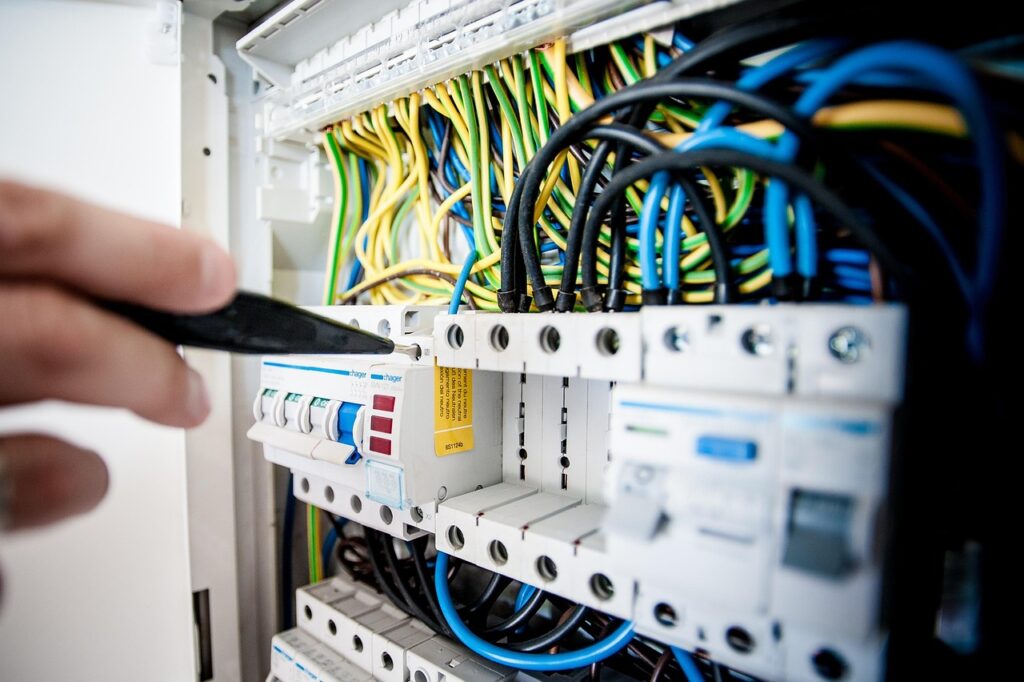
Electrician apprentices learn from licensed electricians in on the job training.

What You’ll Learn as an Apprentice

Electrician apprentices receive well-rounded training that includes:

  • Reading blueprints and wiring diagrams
  • Installing outlets, fixtures, and control systems
  • Understanding electrical code and safety standards (NEC)
  • Troubleshooting and maintaining systems
  • Working with conduit, panels, and breakers

Classroom instruction supplements this with math, theory, and code requirements, typically totaling 500–1,000 classroom hours over the life of the program.

How to Get Into an Electrician Apprenticeship Program

  1. Meet the basic requirements
    • Be at least 18 years old
    • Have a high school diploma or GED
    • Possess a valid driver’s license
    • Pass a basic aptitude test (usually math and reading)
  2. Apply to a program
    Look for IBEW, ABC, or state-registered programs near you. Applications are often open once or twice per year.
  3. Prepare for the interview
    Many programs have competitive interviews, so show motivation, work ethic, and reliability.
  4. Pass a drug screening
    A drug-free workplace is the norm across most skilled trades.

Tips for Succeeding as an Apprentice

  • Show up early, stay late – Reliability is everything on job sites.
  • Ask questions – Learning is the goal, so take initiative.
  • Study and stay sharp – Passing code exams and progressing to journeyman status depends on both classroom and field success.
  • Network with mentors – Your coworkers are your future references.

Electrician Apprenticeship FAQs

How much do electrician apprentices get paid?
Pay varies by state and year in the program. First-year apprentices may earn $15–$20/hour, increasing each year. Some union programs offer over $30/hour by the fourth year.

Can I become an electrician without an apprenticeship?
It’s possible via trade school or military experience, but most state licensure boards require 4,000+ hours of supervised experience, which apprenticeships provide.

Are there online apprenticeship programs?
While hands-on training is required, some classroom instruction may be delivered online, especially through hybrid models.

Final Thoughts – Your Future in the Trades Starts Here

An electrician apprenticeship isn’t just a job—it’s the foundation of a career. With demand for electricians projected to grow steadily due to renewable energy, electric vehicle infrastructure, and aging power grids, now is the perfect time to start your journey.

Search for “electrician apprenticeship programs near me”, apply to a few, and prepare to shift into a skilled career where your work will always be in demand. Want to learn How to Become an Electrician, click on the link.