
How to Become a Heavy Equipment Operator – Start Your High-Powered Career
🚜 Ready to Move Mountains (Literally)?
If the sound of diesel engines and the power to reshape landscapes excites you, a career as a Heavy Equipment Operator might be your perfect match. These professionals are behind the wheel of bulldozers, backhoes, excavators, cranes, and more — making them essential to construction, demolition, road building, and mining.
This guide will walk you through exactly how to become a heavy equipment operator, including training, licensing, and what kind of money you can expect to make.
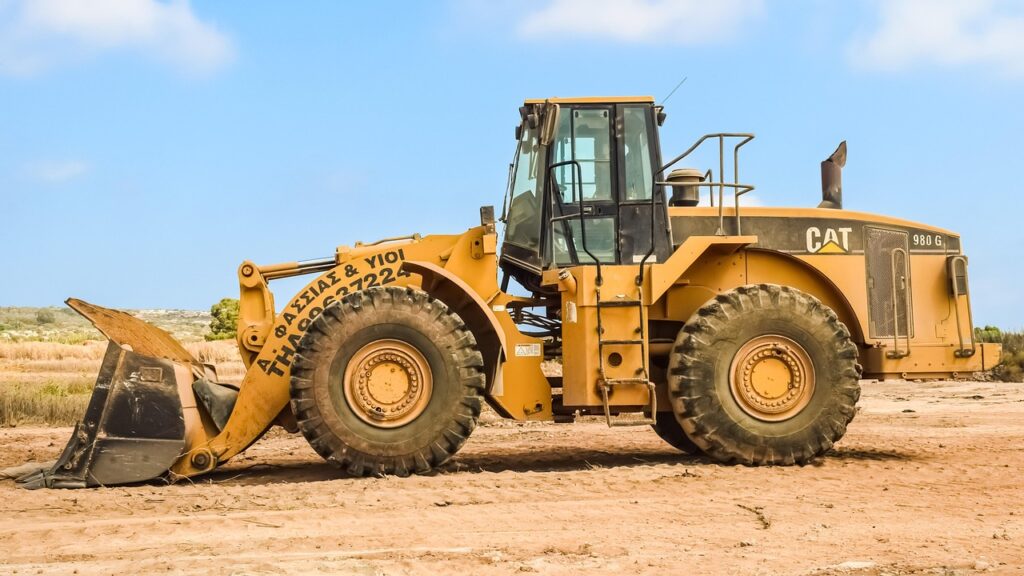
🧱 Step 1 – Understand What Heavy Equipment Operators Do
Heavy equipment operators use large machinery to move earth, lift materials, and prepare job sites. Depending on the type of machine and job, your daily tasks might include:
- Excavating or grading land
- Transporting heavy loads
- Operating cranes or loaders
- Demolishing structures
- Digging trenches for pipelines or foundations
Common equipment includes:
- Bulldozers
- Excavators
- Loaders
- Backhoes
- Graders
- Forklifts
- Cranes
📋 Step 2 – Meet the Basic Requirements
Before you can jump into the cab, you’ll need to check off a few boxes:
- Be at least 18 years old
- Hold a valid driver’s license
- Have a high school diploma or GED
- Be in good physical condition
- Be comfortable with math, depth perception, and spatial awareness
🏫 Step 3 – Enroll in Training
There are two main paths to becoming a heavy equipment operator:
🏗 Trade School or Equipment Operator School
- Duration: 8 weeks to 6 months
- Learn safety, machine maintenance, blueprint reading, and real-world operation
- Many schools partner with unions or employers for job placement
🤝 Apprenticeship
- Duration: 3–4 years
- Combine paid on-the-job training with classroom learning
- Offered by unions (like IUOE – International Union of Operating Engineers) or contractor associations
Pro Tip: Look for programs accredited by the NCCER (National Center for Construction Education & Research).
🪪 Step 4 – Get Licensed and Certified
You’ll likely need additional credentials depending on your equipment or job site:
Required Licenses:
- CDL (Commercial Driver’s License) – If you’ll be driving equipment on public roads
- State Operator Licenses – Some states require separate licensing for certain machines
Optional (but valuable) Certifications:
- NCCCO Crane Operator Certification
- OSHA 10 or 30-Hour Safety Certification
- HAZWOPER for hazardous materials sites
- Forklift and aerial lift certifications
💼 Step 5 – Start Your Career
Once trained and certified, you can find jobs in:
- Highway and road construction
- Utility and pipeline installation
- Residential and commercial construction
- Mining, oil, and gas
- Environmental cleanup
Heavy equipment operators are in demand across the country, and many roles are unionized, offering excellent benefits and job security.
💰 How Much Do Heavy Equipment Operators Make?
According to the U.S. Bureau of Labor Statistics:
- Median salary: $55,050 per year
- Top earners: Over $80,000+
- Union positions often pay more and include pension and health benefits
Wages vary based on region, equipment type, and industry (e.g., pipeline operators often earn more than residential construction).
🧠 Master Operator Tip
“Always respect the machine. Safety and precision will make you not just a good operator — but the one they call first when a job needs to be done right.”
Final Thoughts – Is This the Right Path for You?
If you like the idea of hands-on, outdoor work with serious earning potential, becoming a heavy equipment operator is a solid move. It’s a career that combines technical skill, muscle, and machine mastery — all without a four-year degree.