welding questions and answers

Frequently Asked Questions About Becoming a Welder

Welding career, salary and general questions

What does a welder do?

A welder joins metals together using various techniques, such as MIG, TIG, or stick welding. They work in industries like construction, manufacturing, shipbuilding, automotive repair, and even aerospace.


Do I need a degree to become a welder?

No, most welding careers do not require a college degree. You can enter the field through trade school, community college programs, or an apprenticeship. Many welders start with a high school diploma or GED.


How long does it take to become a welder?

Training programs can take as little as 6 months for basic certification. More advanced welding specializations can require up to 2 years of study and hands-on practice.


What certifications should I get as a welder?

The most recognized certification in the U.S. is the AWS Certified Welder credential from the American Welding Society. Depending on your career goals, you might also pursue additional certifications in pipe welding, underwater welding, or structural welding.


How much do welders make?

According to the U.S. Bureau of Labor Statistics, the median pay for welders is around $48,000 per year, but specialized welders can earn $70,000–$100,000+ annually, especially in pipeline, underwater, or industrial sectors.


Is welding a dangerous job?

Welding can involve risks such as burns, eye damage, or inhalation of fumes. However, with proper safety training and the use of protective gear, welding is a safe and rewarding career.


What types of welding should I learn first?

Most beginners start with MIG welding because it’s easier to learn. From there, you can advance to TIG welding for precision work or stick welding for heavy-duty construction.


Can welding lead to other careers?

Yes, many welders advance into roles such as welding inspectors, fabrication shop supervisors, or even welding engineers. Some start their own welding and fabrication businesses.


What industries hire welders?

Welders are needed in construction, manufacturing, automotive, aerospace, oil and gas, renewable energy, shipbuilding, and more.


How do I find a welding school near me?

You can search “welding schools near me” or use resources like the American Welding Society’s School Locator to find accredited programs.

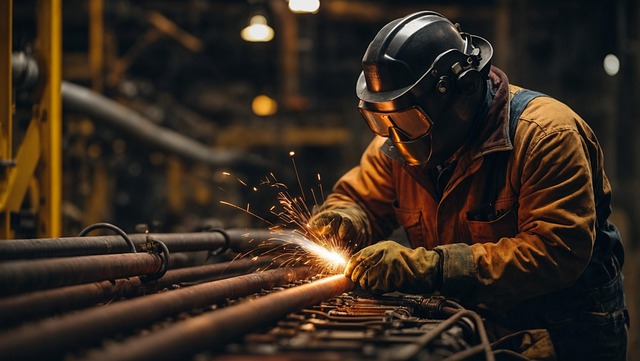
how to become a welder

How to Become a Welder – Your Complete Step-by-Step Career Guide

🔧 Thinking About Welding as a Career?

If you enjoy working with your hands, building things, and don’t mind sparks flying, welding might be the perfect path for you. Welders are the backbone of countless industries — from construction and automotive to aerospace and shipbuilding.

In this guide, we’ll walk you through exactly how to become a welder, what certifications you need, how much you can earn, and why now is a great time to get started.

🧱 Step 1 – Understand What Welders Do

Welders fuse metal pieces together using high heat and various tools and techniques. Depending on the job, you might work in a workshop, construction site, underwater, or even on a skyscraper.

Common types of welding:

  • MIG Welding (Metal Inert Gas)
  • TIG Welding (Tungsten Inert Gas)
  • Stick Welding (Shielded Metal Arc Welding)
  • Flux-Cored Arc Welding
  • Underwater Welding (advanced and highly paid)

🎓 Step 2 – Meet Basic Requirements

welder transition job
Welding jobs are being added at a dizzying rate to the economy.

To begin your welding journey:

  • Be at least 18 years old
  • Have a high school diploma or GED
  • Be in good physical condition (standing, lifting, bending)
  • Have strong hand-eye coordination and attention to detail

No college degree is needed — this is a trade built on skills and certifications.

🏫 Step 3 – Choose Your Training Path

There are two main ways to train as a welder:

🛠 Trade School or Vocational Program

  • Duration: 6 months to 2 years
  • You’ll learn welding theory, safety, blueprint reading, and hands-on techniques
  • Many programs are offered by community colleges or trade schools

🤝 Apprenticeship

  • Combines paid on-the-job training with classroom instruction
  • Duration: 3–4 years
  • Sponsored by unions, employers, or trade organizations

Pro Tip: Make sure your training is accredited by the American Welding Society (AWS).

📜 Step 4 – Get Certified

Most employers want welders who are certified. The American Welding Society (AWS) offers the most recognized credentials, such as:

  • Certified Welder (CW)
  • Certified Welding Inspector (CWI) (for advanced roles)
  • Certified Welding Educator (CWE)

Other certs (depending on your field):

  • OSHA 10 or 30-Hour Safety Training
  • Structural or Pipe Welding Certifications
  • Underwater Welding Certification (from commercial diving schools)

💼 Step 5 – Start Your Welding Career

Once trained and certified, you can begin working in:

  • Construction
  • Oil & Gas
  • Manufacturing
  • Automotive repair
  • Aerospace & defense
  • Infrastructure & bridge building

Welders can advance into supervisory, inspection, or engineering roles over time — and some even start their own welding businesses.

💰 How Much Do Welders Make?

According to the U.S. Bureau of Labor Statistics:

  • Median Salary: $48,940 per year ($23.53/hour)
  • Top 10% Earn: Over $66,000
  • Specialized roles (e.g., underwater or pipe welders) can earn $100K+

The demand for skilled welders is projected to stay strong, with over 40,000 new jobs opening every year in the U.S.

🧠 Master Welder Tip:

Start small but aim high. Practice your welds daily, get multiple certifications, and never stop learning. The more versatile you are, the more valuable you become.

🔌 Final Thoughts: Is Welding Right for You?

Welding is more than just sparks and metal. It’s a skilled trade that offers job security, mobility, and pride in craftsmanship. If you’re ready to shift gears and build a future with your hands, becoming a welder might be your perfect next move.