What the Trades Really Make – A Side-by-Side Comparison of Pay, Education, and Training
Meta Description:
Curious about the best-paying skilled trades? This guide compares what electricians, welders, HVAC techs, and more really make—including required training, licensing, and time to enter the field.
🛠️ Trade Careers: What They Really Pay Off
Forget the college debt. Skilled trades are back in a big way—and they’re paying better than ever.
Whether you’re just starting out or considering a career change, understanding the real income, education, and licensing paths for each trade can help you make the smartest move.
We’ve created a side-by-side table that breaks down the key facts for seven popular trade careers, including:
- Median and top pay
- Required education
- Licensing and certification
- How long it takes to get started
📊 Compare the Top Skilled Trades
Below is a comprehensive comparison of today’s most in-demand trades. This is what you really need to know:
🧰 Trade Comparison Table:
(Use horizontally on desktop or swipe on mobile)
| Trade | Median Pay | Top 10% Pay | Required Education | Licensing/Exam | Training Duration |
|---|---|---|---|---|---|
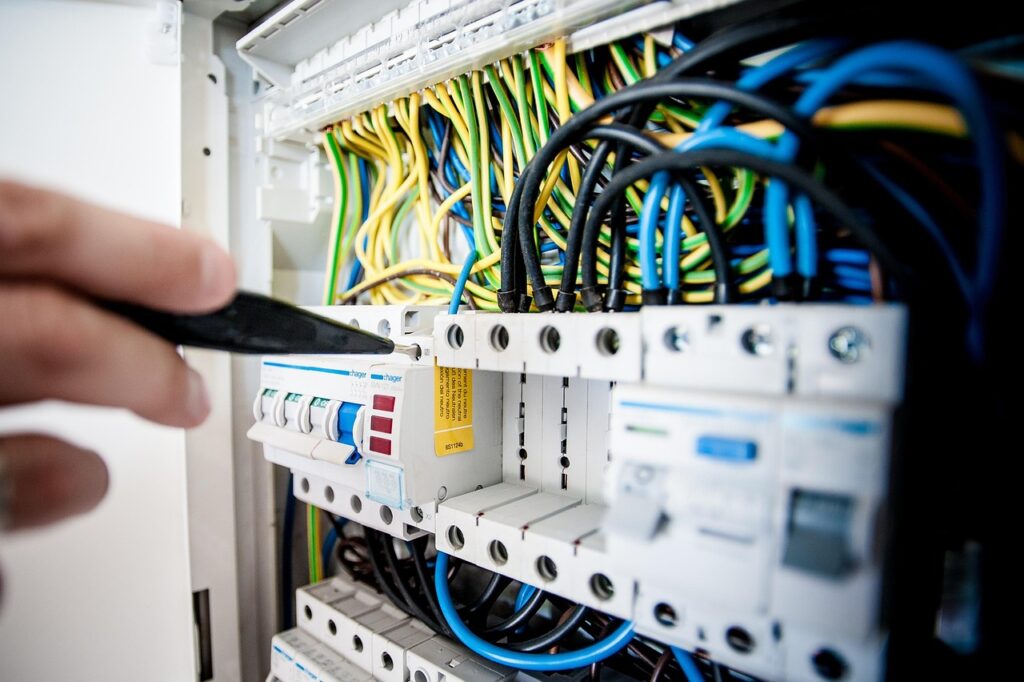
| Electrician | $61,590 | $102,000+ | High School + Apprenticeship/Trade School | State License + NEC Exam | 4–5 years |
| Plumber | $60,090 | $100,000+ | High School + Apprenticeship/Trade School | State License + Practical Exam | 4–5 years |
| Welder | $48,940 | $66,000+ | High School + Welding Program | AWS Certification (optional) | 6 months – 2 years |
| HVAC Technician | $51,390 | $82,000+ | High School + Trade School | EPA Section 608 + State License | 6 months – 2 years |
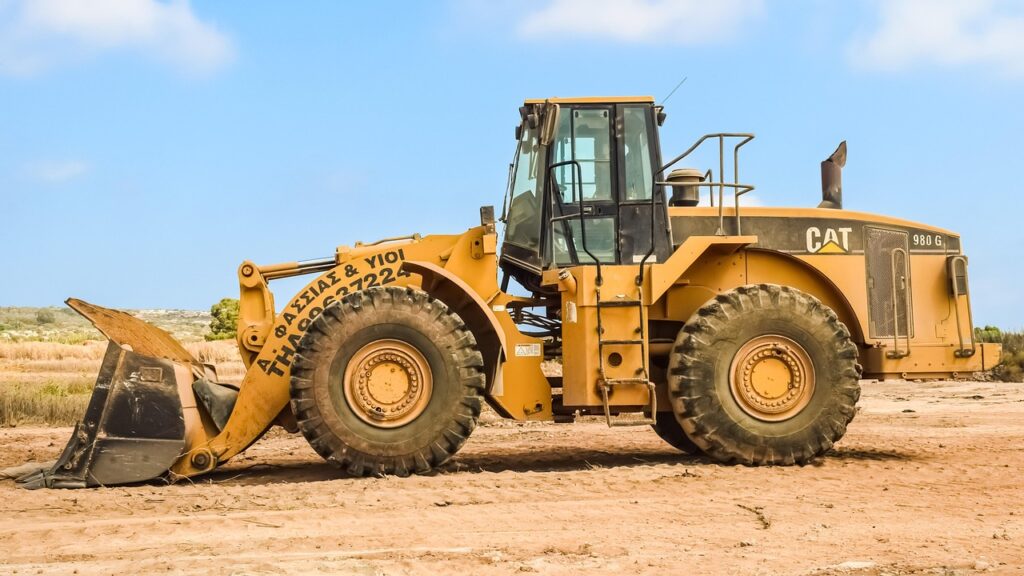
| Heavy Equip. Operator | $55,050 | $80,000+ | High School + Operator School/Apprenticeship | CDL + Optional Equipment Certifications | 8 weeks – 4 years |
| Carpenter | $51,390 | $80,000+ | High School + Apprenticeship | License (varies by state) | 3–4 years |
| General Contractor | $75K–$95K | $120,000+ | High School + Experience + Business License | State Contractor License Exam | Varies – often 4+ yrs exp. |
Note: Credit Toward Licensing or Certification
For those that have specific college degrees, you can usually substitute or get credit for required experience.
- Some state contractor boards allow degree holders to substitute education for work experience. For example: In California, a 4-year degree in construction management may count for up to 3 years of the 4 years required to take the General Contractor License exam.
- Engineering, architecture, or business degrees are sometimes accepted as partial credit toward technical experience.
🔍 Which Trade Pays the Most?
Based on median and top-10% earnings:
- General Contractors and Electricians lead the list in income.
- Plumbers and HVAC techs are close behind and often earn more with overtime or union work.
- Welders and heavy equipment operators may start with lower pay but often scale quickly in high-demand sectors like oil & gas or infrastructure.
And remember—no 4-year degree required.
💡 Fastest Path to a Trade Career
If you want to enter the workforce fast, welding and heavy equipment operation offer training options as short as 8 weeks to 6 months. Electricians and plumbers take longer but are often paid during apprenticeship.
Pro Tip: Many programs at trade schools and unions offer financial aid or even free tuition with job placement.
🧠 Master Trades Tip
The best trade isn’t just the highest-paying one—it’s the one that matches your strengths. Good with precision? Welding or electrical. Like leadership? Go GC. Prefer machinery? Heavy equipment is your lane.
Final Thoughts – Choose the Trade That Pays You Best
Skilled trades aren’t backup plans—they’re high-reward, in-demand careers with strong earning potential, fast entry, and zero college debt.
So whether you’re swinging a hammer or running a bulldozer, the skilled trades can offer a future where your paycheck reflects your skills—and your job can’t be outsourced.