hvac salaries and payscale

TitleHVAC Technician Salary – What You Can Expect to Earn in 2025

HVAC Technician Salary Overview

If you’ve ever wondered how much HVAC technicians make, you’re not alone. In 2025, HVAC techs are in high demand as homes, businesses, and industries continue to rely on heating, ventilation, and air conditioning systems. This demand directly impacts earning potential, making the HVAC trade one of the most attractive skilled career paths.

Average HVAC Technician Salary in 2025

The national average HVAC technician salary in 2025 is $57,000 per year, or about $27.40 per hour. Entry-level techs may start around $38,000 annually, while experienced technicians and specialists can exceed $80,000.

HVAC Technician Pay by Experience Level

  • Entry-Level (0–2 years) – $38,000–$45,000 per year
  • Mid-Level (3–7 years) – $50,000–$65,000 per year
  • Experienced (8+ years) – $70,000–$85,000+ per year
    Master technicians, lead installers, and those with advanced certifications often command top pay.

Highest Paying States for HVAC Technicians

Pay rates vary by location, with states experiencing high construction activity or extreme climates generally paying more. In 2025, the top-paying states for HVAC techs include:

  • Alaska – $78,000
  • Massachusetts – $75,500
  • New York – $74,800
  • California – $73,900
  • Washington – $73,200

Factors That Affect HVAC Technician Salary

Several factors influence your earning potential in HVAC:

  • Experience and Certifications – NATE or EPA certifications can increase wages
  • Specialization – Commercial refrigeration, industrial systems, and green energy systems tend to pay more
  • Union Membership – Unionized HVAC techs often enjoy higher wages and better benefits
  • Location – Urban areas with high living costs usually offer higher pay
  • Overtime and Emergency Calls – Extra work hours can significantly boost annual income

How to Increase Your HVAC Technician Salary

If you’re already in the trade or planning to enter, here’s how to maximize your pay:

  • Get certified in advanced systems or specialties
  • Gain experience in commercial and industrial HVAC
  • Seek out high-demand areas or employers
  • Consider starting your own HVAC business after gaining experience

The Bottom Line – Is HVAC a Good Career in 2025?

With strong demand, solid starting pay, and room for growth, HVAC remains a top skilled trade. Whether you’re starting out or looking to boost your current earnings, the HVAC technician career offers both stability and opportunity.


Suggested WordPress Tags
HVAC technician salary, HVAC pay 2025, HVAC technician hourly rate, HVAC jobs, skilled trades salaries, heating and cooling careers, HVAC certification pay, HVAC salary by state, how much do HVAC techs make, HVAC career growth

what does an electrician make per year

Electrician Salary – How Much Does an Electrician Really Make?

Electrician Salary Overview

If you’re considering a career as an electrician, one of the first questions you’ll ask is – how much does an electrician make? In 2025, the average electrician salary in the United States is around $59,000 per year, or about $28 per hour. This figure can vary significantly depending on experience, specialization, and location.

Electricians who work overtime or on-call shifts can push their annual pay into the $70,000–$90,000 range, especially in areas with high demand for skilled labor.

Electrician Salary by State

Location plays a huge role in electrician pay. States with higher costs of living or stronger construction industries tend to offer bigger paychecks.

  • California – $75,000 average salary
  • New York – $73,000 average salary
  • Texas – $60,000 average salary
  • Florida – $54,000 average salary
  • Illinois – $68,000 average salary

Unionized electricians in certain states often earn more thanks to negotiated wage agreements.

Entry-Level vs. Experienced Electrician Pay

Your income will grow as you gain skills and certifications:

  • Apprentice Electrician – $35,000–$45,000
  • Journeyman Electrician – $55,000–$70,000
  • Master Electrician – $80,000–$100,000+

Specializations such as industrial maintenance, renewable energy systems, or high-voltage work often come with higher pay rates.

Highest Paying Electrician Jobs

Some of the best-paying roles for electricians include:

  • Industrial Electrician – often $80,000+
  • Electrical Supervisor/Foreman – $85,000–$100,000
  • Solar Installation Specialist – $70,000–$90,000
  • Instrumentation Electrician – $90,000+

These positions often require additional training but can be well worth the investment.

How to Increase Your Electrician Salary

If you’re already in the field or just starting out, there are several ways to boost your pay:

  • Get specialized certifications (PLC programming, fiber optics, renewable energy)
  • Join a union for negotiated wages and benefits
  • Relocate to higher-paying states or cities
  • Gain leadership experience to move into supervisory roles

Key Takeaway – Electrician salaries in 2025 remain strong, with plenty of opportunity for growth. Whether you’re just starting your apprenticeship or already a licensed pro, focusing on skills, specialization, and location can significantly boost your earning potential.

pay for trade jobs

💰 The Highest Paying Skilled Trades in 2025 – Which Trade Career Pays Best?

Skilled trades aren’t just a fallback—they’re a smart, lucrative career path for those ready to work with their hands, solve real-world problems, and earn a great living without the burden of college debt. As automation and AI reshape white-collar industries, demand (and pay) in the trades continues to rise steadily.

In this post, we’ll break down the highest-paying skilled trades based on national averages, growth outlook, and earning potential with experience, certifications, or specialization.

🛠️ 1. Elevator & Escalator Installer/Repairer

Average Salary – $91,000+
Top 10% – Over $120,000
Requirements – Apprenticeship + union training
Elevator mechanics are among the most specialized and highly paid trades. They handle installation, maintenance, and emergency repairs for elevator systems in commercial and residential buildings. This trade demands technical skill and attention to safety—and pays accordingly.

🔥 2. HVAC Technician (Heating, Ventilation, Air Conditioning)

Average Salary – $60,000+
Top Earners – $90,000+
Requirements – Certification or 2-year program
HVAC techs are always in demand, especially in areas with temperature extremes. Specializing in commercial systems, refrigeration, or green energy tech can boost pay significantly. Licensing and EPA certification are key to increasing income.

🔧 3. Electrician

Average Salary – $65,000+
Top Earners – $100,000+
Requirements – Apprenticeship + license
Electricians work on everything from home wiring to complex industrial systems. As solar and EV infrastructure expands, electricians with energy-related experience are in higher demand than ever. Master electricians can command six figures.

🔨 4. Plumber

Average Salary – $63,000+
Top Earners – $90,000+
Requirements – Apprenticeship + license
Plumbing is always essential—new builds, remodels, repairs. Journeymen and master plumbers who own their businesses or specialize in medical gas systems, boilers, or large-scale installs often earn top pay.

⚙️ 5. Construction Manager (Trade Track)

Average Salary – $98,000+
Top Earners – $150,000+
Requirements – Years of experience or degree in construction management
If you start in the trades and grow into project management, your earnings can skyrocket. GC license holders, foremen, or superintendents with field experience often out-earn their white-collar peers.

🔧 6. Boilermaker

Average Salary – $70,000+
Top Earners – $100,000+
Requirements – Apprenticeship or trade school
Boilermakers install and maintain heavy pressure vessels, boilers, and tanks. This work is physically demanding and often travel-heavy, but the pay reflects the risk and specialization.

🏗️ 7. Ironworker

Average Salary – $60,000+
Top Earners – $90,000+
Requirements – Union apprenticeship
Ironworkers are critical in building America’s skylines. While the job can be high-risk, those working in major metros or on specialized bridge/high-rise teams command excellent wages and benefits.

🛞 8. Diesel Mechanic

Average Salary – $55,000+
Top Earners – $75,000+
Requirements – Certification + ASE licensing
Diesel techs maintain heavy trucks, buses, and equipment. With trucking and logistics growing fast, skilled diesel mechanics are increasingly valuable—especially those certified in diagnostics and fleet maintenance.

🧱 9. Mason/Bricklayer

Average Salary – $55,000+
Top Earners – $80,000+
Requirements – On-the-job training or apprenticeship
Masonry is both an art and a trade. Those who specialize in restoration, historical preservation, or decorative stonework often earn above average, especially in urban areas.

🧰 10. Welder (Specialized)

Average Salary – $53,000+
Top Earners (Pipe/Underwater Welding) – $100,000+
Requirements – Certification + specialty license
Welding offers huge upward mobility with specialization. Underwater welders, pipeline welders, and those working in oil & gas or aerospace can double their base salary with the right credentials and experience.

🚀 Tips to Boost Your Earning Potential in Any Trade

🔧 Get certified – Extra licenses and endorsements = higher pay
📚 Specialize – Focus on high-demand niches
💼 Start your own business – Many of the highest earners are self-employed
📍 Work location matters – Urban areas and union jobs often pay more
🏆 Get licensed early – GC, C10, or Master licenses open high-paying doors

👷 Ready to Join the Trades?

At TradeShifter.com, we help you figure out which trade fits your skills, and how to get there. Whether you’re coming straight out of high school or shifting careers, there’s a place for you.

sample questions for contractors license

🧱 California General Contractor License Practice Quiz (CSLB Sample Questions)

Practice for Your California General Contractor License Exam

If you’re preparing to take the California State License Board (CSLB) exam for a General Contractor (Class B) license, you’ve come to the right place. This interactive practice quiz uses sample-style questions based on the official CSLB Study Guide to help you test your knowledge and get exam-ready.

Want to learn more about the CA Contractor’s Exam? See our full overview –

CA Contractor’s License Exam Requirements and Overview

Whether you’re already studying or just exploring what the test covers, this tool gives you a sense of the question format and topics — from safety regulations and construction methods to project management and legal requirements.

Start now and see how you score!

What is the primary purpose of a critical path schedule in construction project management?

Which framing member supports a header above a door or window opening?

What is the minimum grade of lumber typically used for structural framing?

Which of the following is a requirement when trenching deeper than 5 feet?

What document is used to outline the specific materials, products, and installation standards on a construction project?

What is the legal significance of a “mechanic’s lien”?

Who is primarily responsible for ensuring a jobsite is OSHA compliant?

What is the primary use of a transit level on a jobsite?

What document confirms that all final inspections have been passed?

Which of the following is an accepted method for protecting workers from falls?

How to Use This Quiz for Exam Success

This quiz is a study supplement, not a substitute for full preparation. Review your results and revisit questions you missed. Consider pairing this with an official CSLB prep course or study guide to maximize your chances of passing on the first try.

Need More Help?

Subscribe to our newsletter for additional sample questions, study tips, and alerts on trade license updates in California.

should i go to college or go into the trades

Trade School vs. College – Which Path Pays Off in 2025?

🎓 Trade School vs. College – Which One’s Right for You?
Choosing between college and trade school isn’t just about education—it’s about your future lifestyle, income, and financial freedom. With rising tuition costs and changing job markets, more people are asking:

“Is trade school better than college?”

Let’s dig into the facts, myths, and long-term outlook of both paths.

💰 Tuition and Cost – The Real Price Tag

  • Trade School: Costs range from $3,000–$15,000 total
  • College: A 4-year degree now averages $104,108 at public schools and over $218,000 at private universities

And don’t forget: college often comes with interest-accruing student loans, while many trades offer paid apprenticeships or employer-sponsored training.

Master Gardener Tip: Always compare cost-to-earning-time. A lower upfront cost with a fast ROI often wins.

🕐 Time Investment – How Fast Can You Start Earning?

  • Trade School: Most programs last 6 months to 2 years
  • College: A 4-year degree (plus possible grad school)

With a skilled trade, you can be earning a full-time wage while your college-bound peers are still taking general ed classes.

💼 Job Outlook – Are There Real Careers Waiting?
Skilled Trades Are in Demand:

  • Electricians, plumbers, welders, HVAC techs, mechanics, carpenters—these roles can’t be outsourced or automated
  • Job growth is rising, especially with the retirement of older tradespeople

College grads can still land solid careers, but many face underemployment or jobs that don’t require a degree

💵 Salary – Who Actually Makes More?

Career PathMedian Annual SalaryTime to Earn
Electrician$61,5902–4 years
HVAC Technician$54,3201–2 years
Plumber$60,0902–4 years
B.A. in Psychology$49,0004 years
B.A. in Communications$52,0004 years
B.S. in Biology$48,0004–6 years

Many tradespeople out-earn their college-educated peers—especially when factoring in no student loan debt

🔧 Lifestyle – Stability, Satisfaction, and Options

  • Trades offer hands-on work, consistent demand, and early independence
  • College may provide academic flexibility, networking, or entry into specialized fields—but often with higher risk and cost

Bonus: Trades allow you to start a business faster—many electricians, HVAC techs, and contractors launch their own companies within a few years

🧠 Which Is Right for You?
Choose trade school if you want:

  • A debt-free, fast career
  • Hands-on, in-demand work
  • A chance to own your own business

Choose college if:

  • Your dream job requires a degree (law, medicine, etc.)
  • You enjoy academic learning and can afford the cost
  • You have a clear, high-ROI plan

🔍 Final Verdict: Trade School vs. College in 2025
With the rising cost of college and the exploding demand for trades, skilled work is finally getting the respect (and paycheck) it deserves.

For many, the trade school route is the faster, smarter, and more financially sound choice.

Want to explore your trade options?
Check out our guides on How to Become an Electrician, HVAC Tech, and Heavy Equipment Operator to get started.

can i become an electrician at 40

How to Become an Electrician at 40 – A Fresh Start with High Voltage Potential

Can You Become an Electrician at 40?
Absolutely. Age is no barrier to success in the trades—especially the electrical trade. Many people are leaving office jobs or unstable tech positions in their 30s, 40s, and even 50s to pursue reliable, hands-on careers. If you’re 40 and wondering how to become an electrician, you’re not alone—and you’re not too late.

Why the Electrical Trade Is a Smart Second Career
Electricians are in demand across the country, and job growth is expected to rise steadily through 2032. Here’s why switching to the electrical trade is worth it:

  • High earning potential: $50,000–$100,000+ annually, depending on experience and location
  • No college degree required: Learn on the job through apprenticeships or trade schools
  • Stability: Electricians are essential in residential, commercial, and industrial sectors
  • Career growth: Advance to journeyman, master electrician, or even electrical contractor

Steps to Become an Electrician at 40

1. Assess Your Background and Skills
You don’t need prior experience, but transferable skills like problem-solving, math, and mechanical aptitude are helpful. If you’ve worked on home wiring or repairs, that’s a plus.

2. Choose a Path: Trade School or Apprenticeship
Trade schools offer formal instruction and may help place you in an apprenticeship.
Apprenticeships combine paid work with classroom learning. Most last 4–5 years and are sponsored by unions (like IBEW) or independent contractors.

3. Get Licensed
Every state has different requirements. You’ll typically need:

  • A certain number of hours of supervised work
  • Classroom instruction (e.g., 500–1,000 hours)
  • To pass a licensing exam for your state or city

4. Continue to Journeyman or Master Status
Once licensed, you can work independently as a journeyman electrician. With more experience and additional exams, you can become a master electrician or even start your own electrical contracting business.

What About Age? Am I Too Old?
Not at all. In fact, mature workers are often seen as more reliable, driven, and focused. Many employers value career switchers who bring professionalism and life experience. Apprenticeship programs and trade schools welcome students of all ages.

Electrician Salary at 40
Here’s what you can expect:

LevelAverage Salary (U.S.)
Apprentice$35,000–$45,000
Journeyman$55,000–$75,000
Master Electrician$75,000–$120,000+

Your age won’t hold you back—in fact, your work ethic and focus may help you advance faster.

TradeShifter Tip

“If you’re ready to stop dreading Mondays and start building something real, becoming an electrician at 40 is more than a pivot—it’s a power move.”

Common Questions

Do I need to go back to college?
No. Most electricians learn through apprenticeships or trade schools.

How long does it take to become an electrician?
Typically 4–5 years to become a journeyman, but you earn while you learn.

Can I work on my own after training?
Yes. After licensing, you can take on jobs, start a business, or work as a subcontractor.

Ready to Make the Shift?
Whether you’re escaping burnout, layoffs, or a boring desk job, becoming an electrician at 40 could be the smartest career move you’ll ever make. Explore programs, connect with local apprenticeships, and start wiring your future today.

how to become a diesel mechanic

How to Become a Diesel Mechanic

A Career Path with Torque, Grit, and Opportunity

Diesel mechanics are the unsung heroes that keep our world moving—literally. From semi-trucks to construction equipment and farm machinery, diesel technicians are in constant demand, and the path to get there is accessible, rewarding, and packed with hands-on work.

What Does a Diesel Mechanic Do?

Diesel mechanics inspect, repair, and maintain diesel engines in vehicles and heavy equipment. They diagnose problems, rebuild engines, change filters, repair fuel injection systems, and ensure machines are running safely and efficiently.

You’ll often work on:

  • Trucks and tractor-trailers
  • Buses and school transports
  • Construction machinery (e.g., excavators, bulldozers)
  • Agricultural equipment
  • Generators and marine engines

Skills You’ll Need

Diesel mechanics blend mechanical expertise with analytical thinking. A typical skill set includes:

  • Strong mechanical aptitude
  • Knowledge of diesel engine systems and diagnostics
  • Comfort using diagnostic software and scan tools
  • Welding and fabrication basics
  • Manual dexterity and physical strength
  • Patience and attention to detail

Step-by-Step: How to Become a Diesel Mechanic

1. Get Your High School Diploma or GED
Courses in auto shop, math, and physics are helpful. Some schools also offer pre-apprenticeship or trade exploration programs.

2. Enroll in a Diesel Mechanic Training Program
Many vocational schools, community colleges, and trade programs offer 6-month to 2-year programs in diesel technology. These programs provide foundational knowledge in:

  • Engine systems
  • Electronics and hydraulics
  • Fuel systems and emissions
  • Safety and regulations
    Bonus: Some programs help with job placement or apprenticeships after graduation.

3. Gain Hands-On Experience
Whether through an internship, on-the-job training, or entry-level shop work, experience is key. You may start as a technician’s assistant or in preventive maintenance and work your way up.

4. Consider Certification
Certification isn’t required, but it can boost job prospects and pay. Popular certifications include:

  • ASE Diesel Certification (from the National Institute for Automotive Service Excellence)
  • CDL (Commercial Driver’s License) if your job involves moving large trucks

5. Keep Learning
Modern diesel engines are increasingly computerized. Staying up to date on new tech, emissions standards, and diagnostic tools will make you more valuable over time.

Career Outlook & Salary

According to the U.S. Bureau of Labor Statistics:

  • Median Pay: $56,000/year
  • Top 10% Earn Over: $76,000/year
  • Job Growth: Stable and steady due to the constant need for freight, farming, and construction
    States like California and Texas have even higher demand.

Master Mechanic Tip

If you’re learning diesel repair on your own equipment or a friend’s farm or truck, log your hours, take pictures, and save receipts. This documentation can sometimes help prove your experience to future employers—or for licensing in certain states.

Common Questions

Do you need a license to become a diesel mechanic?
No license is required in most states, but certification (like ASE) helps you stand out and can lead to better jobs.

Is diesel mechanic work hard?
It can be physically demanding—but if you love working with your hands, tools, and engines, it’s a deeply satisfying job.

Can I start without formal education?
Yes, some shops will hire and train from the ground up—but expect slower career progression without technical schooling or certification.

Start Your Journey Today

If you like torque wrenches more than spreadsheets, and diesel fuel smells like opportunity, a career as a diesel mechanic might be the perfect shift. Whether you go to trade school or start wrenching right away, the world needs more skilled hands under the hood.

HVAC Career Path

How to Become an HVAC Technician – A Cool Career with Hot Demand

❄️ What Is an HVAC Technician?

HVAC stands for Heating, Ventilation, and Air Conditioning—and HVAC techs are the people who keep homes, businesses, and industrial spaces comfortable year-round.

Whether it’s fixing a furnace in January or installing a ductless AC system in July, HVAC technicians are in constant demand. If you’re mechanically inclined and like solving problems, this might be the trade for you.

📋 Step 1 – Understand the Role

As an HVAC technician, your daily tasks may include:

  • Installing and maintaining heating and cooling systems
  • Troubleshooting electrical or mechanical issues
  • Recharging refrigerant or cleaning coils
  • Reading blueprints and following code requirements
  • Talking with customers and writing up repair reports

You might work in residential homes, commercial buildings, or even high-tech clean rooms.

🎓 Step 2 – Meet the Entry Requirements

To begin training as an HVAC tech, you’ll generally need:

  • A high school diploma or GED
  • Basic math and reading skills
  • Comfort with tools and small machinery
  • Strong communication skills for working with clients

You do not need a college degree to get started.

🛠️ Step 3 – Enroll in HVAC Training

Trade School or Community College

  • Most programs take 6 months to 2 years
  • Covers electrical theory, refrigeration cycles, safety, and diagnostics
  • Some programs offer certifications as part of the curriculum

Apprenticeship

  • A 3–5 year program that combines paid on-the-job training with classroom instruction
  • Often sponsored by unions or HVAC contractors
  • Usually includes EPA certification testing

Pro Tip: Look for accredited programs by HVAC Excellence, PAHRA, or the ESCO Institute.

🧪 Step 4 – Get Certified

Federal law requires EPA Section 608 Certification to work with refrigerants. This is mandatory for all HVAC techs.

Other helpful certifications:

  • NATE (North American Technician Excellence) – Gold standard in the field
  • HVAC Excellence – For those looking to advance or specialize
  • R-410A Safety Certification – For modern refrigerant handling
  • OSHA 10/30 Safety Card – Required by many job sites

🏢 Step 5 – Get Licensed (If Required)

Many states require HVAC technicians to be licensed. Requirements vary but often include:

  • Proof of EPA Certification
  • 2–5 years of experience
  • Passing a state exam on codes, safety, and regulations

You can find specific license requirements on your state contractor’s board website.

💼 Career Outlook and Salary

According to the U.S. Bureau of Labor Statistics:

  • Median salary: $51,390 per year
  • Top 10% earn: Over $82,000
  • Job growth is expected to increase 6% through 2032 — faster than average

As buildings get more energy efficient and smart systems take over, skilled HVAC techs with certifications and tech training will stand out.

🧠 Master HVAC Tip

Don’t stop at installation—understand the systems inside and out. The more you know about diagnostics and efficiency, the more valuable you are on the job (and the faster you’ll get promoted).

Final Thoughts – Is HVAC Right for You?

HVAC is one of the best-paying trades with fast entry, strong job security, and low startup costs. It’s a great career for people who like working with their hands, solving real-world problems, and being out in the field—not behind a desk.

If you’re looking for a skilled trade with long-term upside and room to specialize, becoming an HVAC technician might be your best move yet.

jobs that are ai-proof

AI-Proof Jobs: Careers That Are Safe From Automation (and in High Demand)

As artificial intelligence continues to reshape industries, more people are asking a critical question: What jobs are safe from AI? The fear of being replaced by machines is real—and justified. But not every career is at risk. In fact, many high-paying, stable, and AI-resistant careers are hiding in plain sight.

If you’re searching for AI-proof jobs—roles that require human dexterity, problem-solving in real-world settings, and hands-on interaction—you might be surprised to find them not in a cubicle, but in the trades.

Why AI Can’t Replace These Jobs

AI is incredibly powerful, but it has limitations. It struggles with:

  • Fine motor skills – Manipulating physical tools in unpredictable spaces
  • Situational judgment – Making on-the-spot decisions in dynamic environments
  • Emotional intelligence – Reading human behavior, building trust, and adapting communication
  • Hands-on creativity – Adapting plans in real time, improvising with materials, solving physical problems

That’s why so many blue-collar careers are considered AI-resistant—and are now being re-evaluated as smart, future-proof choices.

The Top AI-Proof Careers Worth Considering

1. Electricians

Working with live systems, troubleshooting unpredictable wiring issues, and understanding code compliance all require human presence, judgment, and dexterity.

2. Plumbers

Every plumbing job is different. From crawlspaces to custom systems, plumbers face real-world variability AI just can’t handle.

3. HVAC Technicians

Diagnosing heating and cooling systems, crawling into attics, and adjusting parts in tight, messy environments—this job is deeply human.

4. Welders and Fabricators

Welding requires precision, vision, hand-eye coordination, and real-time adaptability—an ideal example of a job not affected by AI.

5. Carpenters and Builders

Framing a house or crafting custom cabinetry involves creative problem-solving, physical strength, and on-the-job experience machines can’t replicate.

6. Auto Technicians

Diagnosing and fixing mechanical systems—especially older vehicles—demands tactile skill, experience, and judgment, not just code reading.

7. Home Healthcare Aides

Human connection, empathy, and the ability to care for someone with dignity are traits no AI can mimic. The need for caregivers is growing rapidly.

8. Firefighters, EMTs, and Skilled First Responders

Quick decisions in high-stress, chaotic environments require courage, training, and human instinct—things no algorithm can fake.

These Jobs Aren’t Just AI-Proof—They’re in Demand

We’re facing a massive skilled trades shortage. At the same time, millions of people are rethinking their careers in light of automation. These two forces are colliding to create opportunity.

Whether you’re a recent graduate, career changer, or white-collar worker seeking security and meaning, the trades offer:

  • Job security
  • Strong income potential
  • Freedom from desk work
  • Pride in building and fixing what matters

Final Thoughts

If you’re looking for a job that AI can’t replace, don’t just look forward—look around. Trades and hands-on careers are some of the most secure and AI-resistant paths available today. They can’t be outsourced, automated, or replaced. And they’re hiring.

The future belongs to those who can solve problems with their hands, adapt on the fly, and connect with people in real time. In short, the future belongs to the trades.

equipment operator how to

How to Become a Heavy Equipment Operator – Start Your High-Powered Career

🚜 Ready to Move Mountains (Literally)?

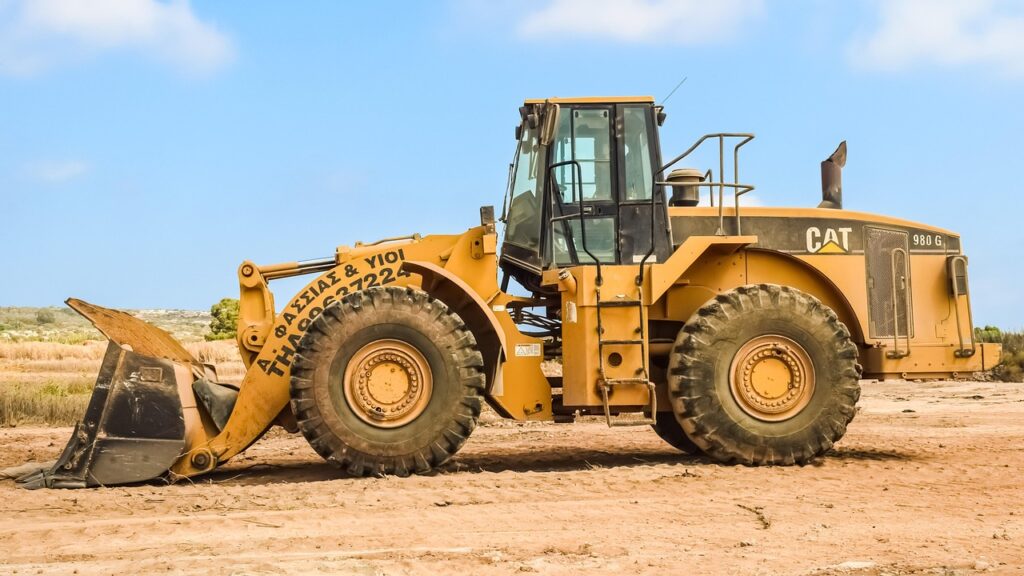
If the sound of diesel engines and the power to reshape landscapes excites you, a career as a Heavy Equipment Operator might be your perfect match. These professionals are behind the wheel of bulldozers, backhoes, excavators, cranes, and more — making them essential to construction, demolition, road building, and mining.

This guide will walk you through exactly how to become a heavy equipment operator, including training, licensing, and what kind of money you can expect to make.

Heavy equipment operators are in high demand, with many retiring.

🧱 Step 1 – Understand What Heavy Equipment Operators Do

Heavy equipment operators use large machinery to move earth, lift materials, and prepare job sites. Depending on the type of machine and job, your daily tasks might include:

  • Excavating or grading land
  • Transporting heavy loads
  • Operating cranes or loaders
  • Demolishing structures
  • Digging trenches for pipelines or foundations

Common equipment includes:

  • Bulldozers
  • Excavators
  • Loaders
  • Backhoes
  • Graders
  • Forklifts
  • Cranes

📋 Step 2 – Meet the Basic Requirements

Before you can jump into the cab, you’ll need to check off a few boxes:

  • Be at least 18 years old
  • Hold a valid driver’s license
  • Have a high school diploma or GED
  • Be in good physical condition
  • Be comfortable with math, depth perception, and spatial awareness

🏫 Step 3 – Enroll in Training

There are two main paths to becoming a heavy equipment operator:

🏗 Trade School or Equipment Operator School

  • Duration: 8 weeks to 6 months
  • Learn safety, machine maintenance, blueprint reading, and real-world operation
  • Many schools partner with unions or employers for job placement

🤝 Apprenticeship

  • Duration: 3–4 years
  • Combine paid on-the-job training with classroom learning
  • Offered by unions (like IUOE – International Union of Operating Engineers) or contractor associations

Pro Tip: Look for programs accredited by the NCCER (National Center for Construction Education & Research).

🪪 Step 4 – Get Licensed and Certified

You’ll likely need additional credentials depending on your equipment or job site:

Required Licenses:

  • CDL (Commercial Driver’s License) – If you’ll be driving equipment on public roads
  • State Operator Licenses – Some states require separate licensing for certain machines

Optional (but valuable) Certifications:

  • NCCCO Crane Operator Certification
  • OSHA 10 or 30-Hour Safety Certification
  • HAZWOPER for hazardous materials sites
  • Forklift and aerial lift certifications

💼 Step 5 – Start Your Career

Once trained and certified, you can find jobs in:

  • Highway and road construction
  • Utility and pipeline installation
  • Residential and commercial construction
  • Mining, oil, and gas
  • Environmental cleanup

Heavy equipment operators are in demand across the country, and many roles are unionized, offering excellent benefits and job security.

💰 How Much Do Heavy Equipment Operators Make?

According to the U.S. Bureau of Labor Statistics:

  • Median salary: $55,050 per year
  • Top earners: Over $80,000+
  • Union positions often pay more and include pension and health benefits

Wages vary based on region, equipment type, and industry (e.g., pipeline operators often earn more than residential construction).


🧠 Master Operator Tip

“Always respect the machine. Safety and precision will make you not just a good operator — but the one they call first when a job needs to be done right.”


Final Thoughts – Is This the Right Path for You?

If you like the idea of hands-on, outdoor work with serious earning potential, becoming a heavy equipment operator is a solid move. It’s a career that combines technical skill, muscle, and machine mastery — all without a four-year degree.